


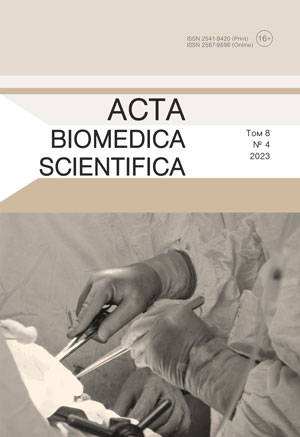
The journal Acta Biomedica Scientifica is a Russian scientific peer-review open access journal, published both in print and electronically. The journal publishes original articles, results of clinical and experimental studies, reviews, lectures, and short communications in the biomedical area of science. It is addressed to specialists, students, post-graduates, researchers and those, whose interests, work, studies lie within biomedical field.
ISSN 2541-9420 (Print)
ISSN 2587-9596 (Online)
Acta Biomedica Scientifica has been issued since 1993. Its former title was Bulletin of the East Siberian Scientific Center SB RAMS (before 2017).
Periodicity: 6 issues per year
Publisher: Scientific Centre for Family Health and Human Reproduction Problems
Address: office 303, Timiryazev str., 16, 664003 Irkutsk, Russia
Phone number: +7 (3952) 20-90-48
e-mail: journalirk@gmail.com
The Editor-in-Chief: Kolesnikov S.I., Academician of the Russian Academy of Sciences
The journal is registered with the Federal Service for Supervision of Communications, Information Technologies and Mass Communications. The mass media registration certificate - PI No. FS77-69383 dated 6 April 2017.
Acta Biomedica Scientifica is included in the abstract journal and database VINITI, RSCI (Russian Science Citation Index, which is Russian bibliographic database). Information about the journal is published in the international reference system for periodical and continuing editions of Ulrich's Periodicals Directory; it is been included in the List of leading peer-reviewed scientific journals, published in the Russian Federation, where the main scientific results of dissertations for completion of Candidate and Doctor of Science are to be published, since 2015.
All articles are assigned with DOI, the journal is indexed in DOAJ.
Current issue
DEPUTY EDITOR IN CHIEF’S PREFACE
DISCUSSION PAPERS, LECTURES, NEW TRENDS IN MEDICAL SCIENCE
Condensed benzimidazoledione derivatives with a nodal nitrogen atom can become the basis for the development of clinical therapeutic agents for the effective treatment of oncological diseases. This requires research that includes the synthesis and study of the antitumor activity of compounds of this group.
The aim. Search for new cytotoxic agents from a series of condensed benzimidazole diones with a nodal nitrogen atom.
Materials and methods. The cytotoxic profile of the synthesized compound was evaluated using an MTT test based on the reduction reaction of tetrazolium salt (3-(4,5-dimethylthiazol-2-yl)-2,5-diphenyl-tetrazolium bromide) by mitochondrial dehydrogenases of living cells to formazane crystals insoluble in water. The IC50 values of the cytotoxic effect, which are concentrations of a compound leading to the death of 50 % of cells in a sample, were determined as indicators of effectiveness.
Result. The cytotoxicity of a new benzimidazole derivative, 7-bromo-8-chloro-3,4-dihydro-1H-[1,4]oxazino[4,3-a]benzimidazole-6,9-dione, was demonstrated against two tumor cell lines: lung adenocarcinoma (A549) and breast adenocarcinoma (MCF-7). In turn, for normal human embryonic kidney cells (Hek-293), this compound was approximately 2.5 times less toxic.
Conclusions. The results indicate that fused benzimidazole derivatives with a nodal nitrogen atom are a promising class of compounds for the development of new antitumor agents with selective toxicity.
OBSTETRICS AND GYNAECOLOGY
Background. Cytomegalovirus (CMV) infection triggers inflammation and endothelial damage in umbilical cord vessels, which is associated with impaired fetoplacental hemodynamics and adverse perinatal outcomes.
The aim. To identify biochemical and morphological characteristics of the umbilical vein endothelium in CMV infection.
Methods. The study included 117 newborns from mothers with CMV reactivation during the third trimester of pregnancy (main group) and 45 newborns from CMV-negative mothers (control group). In umbilical cord blood, TNF-α, IL-1β, IL-6, endothelin-1, and polymorphonuclear leukocyte (PMN) elastase were measured by enzyme-linked immunosorbent assay (ELISA). Umbilical cord tissue was examined histologically.
Results. In the main group, umbilical cord blood showed signifiantly elevated levels of TNF-α (2.6-fold, p < 0.001), IL-1β (2.5-fold, p < 0.001), IL-6 (1.6-fold, p < 0.001), endothelin-1 (3.2-fold, p < 0.001), and PMN elastase (1.3-fold, p < 0.001). Histological analysis revealed signs of inflammation and remodeling of the venous wall. A 1.14fold decrease in nuclear optical density of Wharton’s jelly cells (p < 0.05), a 1.2-fold reduction in the proportion (p < 0.001) and a 1.23-fold reduction in the thickness of amniotic epithelium (p < 0.001), and a 1.12-fold decrease in the proportion of intact Wharton’s jelly (p < 0.05) were observed, alongside a 1.1-fold increase in altered Wharton’s jelly (p < 0.05). Additionally, the proportion of the venous muscular layer and endothelium decreased by 1.23-fold (p < 0.001) and 1.24-fold (p < 0.001), respectively, and venous lumen narrowing by 1.1-fold (p < 0.05) was noted. Signifiant correlations were found between TNF-α, IL-1β, and IL-6 levels and the proportions of the muscular layer, endothelial layer, and venous lumen.
Conclusion. CMV reactivation during the third trimester of pregnancy is characterized by elevated levels of inflammatory, vasoconstrictive, and destructive factors in umbilical vein blood, which exert damaging effects on vascular endothelium.
BIOLOGY AND MEDICAL BIOLOGY
Seven subjects of the Arkhangelsk Region, and also the Northern Administrative District and the Yamalo-Nenets Autonomous District are part of the AZRF, where climatic and ecological conditions are characterized as extreme (the industry of the Central Industrial Complex, the military industrial complex, the cosmodrome, and the Neftegazprom). Part of the territory of the Arkhangelsk region and the NAO are adjacent to the nuclear test zone (NPS) at the Northern Test site from 1955 to 1990. Nuclear weapons have never been produced in Western Siberia (Yamalo-Nenets Autonomous District). The relevance of the study is determined by the lack of information about the immune status of young northern women who were born and permanently reside in the Arctic zone of the Russian Federation.
The aim. To identify the ratio of peripheral blood leukocyte levels in young women from different northern regions.
Materials and methods. Sixty two women were examined: 47 people from the Nenets Autonomous Okrug and the Arkhangelsk Region (22–35 years old) and 15 people aged 22–40 years (Yamalo-Nenets Autonomous Okrug). Leukocytes, NLR, CD8+, and CD16+ cells were determined. An indirect immunoperoxidase reaction with monoclonal antibodies was used. Microsoft Excel 2010 and SPSS 20.0 for Windows were used.
Results. Residents of the adjacent area had elevated concentrations of monocytes (20.0; 12.5; 43.7 %), eosinophils (20.0; 25.0; 12.5 %), CD8+ lymphocytes (73.3; 31.2; 75.0%), and CD16+ lymphocytes (33.3; 62.5; 43.7 %). Deficiency of the total number of lymphocytes was 2.5 times more common than lymphocytosis: 20.0, 43.7, 12.5 %. Increased concentrations of monocytes 46.7 %, eosinophils 26.7 %, neutrophils 20.0 %, leukocytes %, CD8+ (80.0 %) and CD16+ (66.7 %) lymphocytes were recorded in residents of the non-adjacent zone.
Conclusion. The ratio of lymphocyte subpopulations in young women living in the Arctic zone of the Russian Federation is characterized by a high concentration of monocytes, eosinophils, and lymphocytes (CD8+, CD16+) against the background of a pronounced deficiency of the total lymphocyte population.
INTERNAL DISEASES
Background. Magnetic resonance enterography is increasingly being used to diagnose Crohn’s disease due to its non-invasiveness, absence of ionizing radiation, and high information content. Despite this, there is still no consensus in the international medical community regarding the use of inflammation indices during MR enterography.
The aim. The presented study examines the possibility of using a specialized scale based on magnetic resonance enterography data to assess the degree of disease activity in patients with Crohn’s disease.
Materials and methods. The analysis was conducted on a group of 40 patients with a confirmed diagnosis of Crohn’s disease, whose intestinal tract was evaluated according to the criteria of the specialized scale.
Results. During data processing, it turned out that 24 patients (60.0 %) had a score range of 0 to 7, which indicated remission, 10 (25.0 %) had a score range of 8 to 15 (minimal activity), and 6 (15.0 %) had a score range of 16 or more (severe clinical manifestations).
Conclusion. Thus, the scale we developed for assessing the activity of Crohn’s disease serves as an effective tool for standardizing diagnosis and monitoring patients’ conditions. This method provides an objective assessment of the level of inflammation and the course of the disease.
GENETICS, PROTEOMICS AND METABOLOMICS
Background. Fetal growth restriction (FGR) is a major pregnancy complication often associated with placental dysfunction and angiogenic imbalance. The FLT1 gene encodes VEGFR-1, producing both membrane receptors and soluble isoforms (sFlt-1) through alternative splicing. Soluble variants sequester VEGF/PlGF and suppress angiogenesis. While the role of sFlt-1 in preeclampsia is widely studied, its splicing regulation and contribution to FGR remain unclear.
The aim. To evaluate the alternative splicing role of the FLT1 gene expressed in placental decidual cells in the molecular mechanisms of fetal growth retardation.
Materials and methods. The study included biopsies of the placenta maternal part of patients with physiological pregnancy (n = 8) and FGR (n = 13). RNA sequencing was performed on the Illumina NextSeq 2000 platform. Alternative splicing events were identified and quantified using the MAJIQ program.
Results. This work provides the first analysis of FLT1 gene alternative splicing in decidual cells during FGR. Four splicing events were shared across both groups, including exon skipping, intron retention, and a complex event with two sub-events. The FGR group additionally demonstrated a unique complex event and three intron retentions absent in controls. These changes indicate a shift toward enhanced production of soluble VEGFR-1 isoforms, which act as antiangiogenic “traps”, reduce uteroplacental blood flow, and contribute to growth restriction.
Conclusions. Alternative splicing of the FLT1 gene plays an important role in the FGR pathogenesis. Excessive intron retention and exon skipping lead to increased expression of shortened antiangiogenic proteins, disrupting the balance of angiogenesis and contributing to placental dysfunction.
INFECTIOUS DISEASES
Introduction. Hemorrhagic fever with renal syndrome (HFRS) holds a leading position among natural focal infections in the Russian Federation. Currently, routine evaluation of HFRS primarily includes general clinical tests (complete blood count with differential, platelet count; urinalysis for proteinuria/hematuria), biochemical parameters (creatinine, urea, liver enzymes, electrolytes, coagulation profile), and C-reactive protein (CRP). These indicators provide a general understanding of disease severity. Since the initial investigations of HFRS, numerous studies have identified biomarkers associated with disease severity, which, however, are not utilized in clinical practice for various reasons
— one of the main ones being insufficient awareness among healthcare providers.
The aim. To analyze modern laboratory tests that may be employed for predicting severe forms of HFRS.
Materials and methods. A review of published data (both Russian and international, including the results of our own research) on HFRS severity biomarkers was conducted using PubMed, Google Scholar, and CyberLeninka databases over the past 15 years.
Results. The review included biomarkers associated with HFRS complications: immune and inflammatory markers, indicators of endothelial injury, coagulation factors, and specific markers of renal damage.
Conclusion. Cytokines such as IL-6, IL-8, and IL-10 are consistently associated with HFRS severity. Acute-phase inflammatory markers (ferritin, procalcitonin) aid in assessing the degree of systemic inflammation. Markers of endothelial dysfunction (PTX3, galectin-3BP, suPAR, YKL-40, resistin) help predict the severity of hypotension, edema, and acute kidney injury. Coagulation indicators (platelet count, D-dimer, fibrinogen, PT/aPTT) reflect the risk of bleeding and multiorgan failure. Specific renal biomarkers (NGAL, KIM-1, urinary IL-18) allow for early prediction of acute kidney damage before irreversible renal failure develops. Combined application of these biomarkers can significantly improve early identification of high-risk patients and ultimately enhance the effectiveness of HFRS treatment.
CARDIOLOGY
Inappropriate sinus tachycardia (IST) is a sinus tachycardia unexplained by visible physiological and secondary causes with a resting heart rate of more than 100 beats per minute. The true prevalence of IST is unknown. At the same time, IST seems to be common in normal pregnancies, which causes significant difficulties in differential diagnosis and patient management. There is no practice of diagnosing IST in Russia. An analysis of the literature revealed no descriptions of clinical cases of IST in pregnant women in Russian publications and found only one report of IST in the review article.
The paper presents a clinical case of IST in a 33-year-old woman in the third trimester of pregnancy. The patient had sinus tachycardia with a heart rate of 180 beats per minute, accompanied by complaints of shortness of breath, weakness, and palpitations. During Holter monitoring, sinus tachycardia was recorded during both daytime and nighttime hours. A differential diagnosis with paroxysmal reciprocal sinus tachycardia and postural orthostatic tachycardia syndrome was performed. Other potential causes of sinus tachycardia were ruled out. The diagnosis of HCT has been established. Therapeutic options were limited due to pregnancy. Administration of metoprolol succinate at a dose of 25 mg produced only a modest reduction in heart rate to 120 beats per minute. At 38 weeks of gestation, delivery was performed via cesarean section. During dynamic follow-up 4 months after delivery, a decrease in tachycardia to 100 beats per minute was noted, which requires continued monitoring.
The features of the presented clinical case are the extremely high heart rate for the sinus rhythm described for the first time (180 beats per minute) and persistent moderate sinus tachycardia 4 months after delivery.
CLINICAL LABORATORY DIAGNOSIS
Justifiation. The multiplicity of diseases and conditions in which NAT2 plays a key role, dictates the need to study both the genotype and the phenotype of acetylation. Such approaches will make it possible to identify risk groups, as well as select effective doses of drugs, preventing the development of side effects and determining the optimal therapeutic dose.
Methods. The work was performed in a group of 52 patients with spinal canal stenosis (average age 51.04 ± 9.671 years) and 32 conditionally healthy people (average age 53.32 ± 0.933 years). Creatinine and uric acid were determined in blood and urine samples before and after taking caffeine, and the optical density of urine at 272 nm was measured. To estimate the acetylation rate, the calculation of an integral predictive indicator is proposed. PCR with specific primers was used as a reference method to detect NAT2 polymorphisms affecting the acetylation rate.
Results. An effective, easily executable algorithm has been developed that includes the technology of collecting, preparing and analyzing blood and urine samples before and after using caffeine as a test drug, and calculating an integral predictive indicator to assess the rate of acetylation reactions. The method is suitable for indirect, simpler and less costly assessment of the rate of acetylation reactions compared with molecular genetic studies.
Conclusion. The determination of the acetylation phenotype using the proposed analytical procedures makes it possible to identify individual differences in connective tissue metabolism, and to seek approaches to predicting treatment outcomes depending on the polymorphic variant of NAT2 with the identification of risk groups. The data obtained can be used to search for new links in pathogenesis, to implement the mechanisms of pain and fibrosis.
MORPHOLOGY, PHYSIOLOGY AND PATHOPHYSIOLOGY
Introduction. Anthropometric characteristics are necessary to obtain objective data on human physical development that allow us to assess the age, gender and geographical features of the human body structure while geographical differences in the shape of the human body (body size, body proportions, shape and size of limbs, as well as the relative proportions between these components) are often interpreted as the result of adaptation to the climate.
Objective. Assessment of the age dynamics of somatometric characteristics of males living in various climatogeographic regions – North-East, North-West of Russia.
Materials and methods. The main anthropometric characteristics, their calculated indices, and body composition were evaluated in 333 males living in various northern regions of the Russian Federation: Magadan Region (Northeast of Russia) – 199 young men and 110 men, Murmansk Region (Northwest of Russia) – 72 young men and 32 men.
Results: In the course of the work, a distinct regional feature has been established in the formation of the morphotype of the inhabitants of the North-East of Russia in the adolescent and mature periods of ontogenesis, manifested by large body lengths andbodydisproportionalityduetothegreatercontribution of leg length tobodylength compared to the inhabitants of the North-West of Russia. The age-related dynamics of changes in the analyzed parameters in residents of the North-East and North-West of Russia had similar trends, manifested in an increase in hypersthenization of body build, conditioned by excessive body weight.
Conclusion. The results obtained emphasize the importance of conducting continuous monitoring studies of key indicators of physical development as valuable markers for identifying geographical variations in morphological types under the influence of socio-economic and environmental factors in the northern and Arctic regions.
NEUROLOGY AND NEUROSURGERY
Degenerative cervical spinal stenosis, accompanied by cervical myelopathy, represents a leading cause of spinal cord dysfunction in adults. Contemporary insights into the pathogenesis of this condition, which integrates biomechanical, vascular, and molecular mechanisms, highlight its multifactorial etiology. Chronic spinal cord compression, driven by osteophytes, hypertrophic ligaments, and disc herniations, synergizes withdynamicmechanicalstresses, culminatinginischemia, disruption of the blood-spinal cord barrier (BSCB), and neuroinflammation. Central to the pathogenesis is chronic hypoperfusion, exacerbated by excitotoxicity and activation of matrix metalloproteinases (MMP-9, MMP-2), which degrade the vascular basement membrane. BSCB breakdown facilitates immune cell infiltration, release of pro-inflammatory cytokines (TNF-α, IL-1β), and microglial activation via the CX3CL1-CX3CR1 signaling axis. These processes trigger apoptosis of neurons and oligodendrocytes, leading to demyelination and spinal cord atrophy. Special emphasis is placed on the role of acetylation processes (involving NAT1, NAT2, AANAT, and NAA20 gene expression) in Ligamentum flavum ossification, underscoring the influence of genetic factors and gender disparities. This review addresses unresolved questions, including variability in clinical manifestations, the contribution of metabolic and immune dysregulation, and the urgent need for neuroprotective strategies. The integration of these innovations may bridge current knowledge gaps and improve outcomes for patients with degenerative cervical myelopathy. A systematic literature review (2010–2024) was conducted using PubMed, Scopus, Google Scholar and Cochrane Library. Search terms included degenerative cervical myelopathy, spinal stenosis, BSCB disruption, neuroinflammation and acetylation mechanisms. Inclusion criteria prioritized clinical/preclinical studies and meta-analyses exploring pathophysiology and therapeutic innovations. Data were analyzed thematically. The aim of the study is to analyze and synthesize existing knowledge on the pathogenesis of degenerative cervical myelopathy.
ONCOLOGY
Understanding the molecular mechanisms underlying the pathogenesis of lung cancer is critical for developing effective therapeutic strategies. It is important to study the role of key DNA repair genes, such as BRCA1, CHEK1, etc., in the context of the presence of aberrations in them and their influence on long-term treatment outcomes.
Thus, the aim of the work was to assess the presence of chromosomal aberrations and expression in the main genes of the homologous recombination system in lung tumor.
Materials and methods. The study included 111 patients with non-small cell lung cancer (NSCLC) stage IIA-IIIB. RNA and DNA were isolated from the surgical material of normal and tumor tissue. The expression level of HR genes was assessed using RTPCR. The presence of chromosomal aberrations and loss of heterozygosity sites was determined using microarray analysis.
Results. Evaluation of the expression level showed that the presence of hyperexpression (more than 1) of the RAD51D gene is associated with 100 % metastasis-free survival (MFS) compared to the group with low expression (67.5 %), log-rank test p = 0.05. The effect of amplification in the ATM, BRIP1, BRCA1 genes on the increase in their expression was established (at p < 0.05). For the BRCA1 gene, an association was established between the presence of a deletion and gene hypoexpression (p = 0.00006). According to Kaplan – Meier curves, in the presence of amplifications in the PPP2R2A gene in the tumor, the 5-year survival rate is only 50 %, compared to normal copy number with 85 % survival (p = 0.02). The opposite picture is observed for the BRCA2 gene: with a deletion, the survival rate is 54 % versus 88 % in the norm (p = 0.001).
Conclusion. It remains important to further research to better understand the interaction between aberrations in the genes of the HR system and the assessment of the expression profile of these genes and therapeutic responses, which may ultimately lead to more effective and individualized treatment strategies for NSCLC.
PEDIATRICS
Introduction. As pediatric COVID-19 is often asymptomatic or mild, investigating hemostatic and clinical features in these cases is vital for assessing complication risks, especially since existing research prioritizes severe manifestations.
The aim. Analysis of clinical and hemostatic features in children with varying severity of COVID-19 in Irkutsk.
Materials and methods. This retrospective study analyzed 164 medical records of children hospitalized with COVID-19 at the Ivano-Matreninskaya City Children's Clinical Hospital and the Irkutsk Regional Infectious Diseases Hospital between March 2021 and February 2022. The participants were divided into two groups: the first group included 85 children with mild disease severity, and the second group comprised 79 children with moderate severity. Severe course was observed in 3 patients who were transferred to the Irkutsk Regional Infectious Diseases Hospital. We assessed clinical features and basic coagulogram parameters (5 clotting tests and D-dimer). Statistical analysis was performed using Microsoft Office 2019 and Statistica Basic Academic 13.
Results. Among children with COVID-19, children aged 5–15 years were predominant, with no gender differences between the groups. The disease was predominantly mild to moderate in severity. Moderate disease severity was associated with a significant increase in fibrinogen and D-dimer levels, which correlated with the duration of fever and the presence of thoracalgia syndrome. A shortening of APTT in children with a moderate disease course correlated with the presence of shortness of breath.
Conclusions. Despite the predominantly mild-to-moderate course of COVID-19 in children, monitoring coagulogram parameters is essential. A significant number of children with moderate severity show elevated D-dimer and fibrinogen levels, as well as shortened APTT, indicating a risk of hemostatic complications and correlating with more severe clinical symptoms. Further research is needed to understand how COVID-19 severity aff ts hemostasis and to prevent serious complications.
PSYCHOLOGY AND PSYCHIATRY
Introduction. There is insufficient data in modern psychology on the specifics of the development of post-traumatic stress disorders, in particular emotional disorders, in individuals who are faced with life emergencies (militaryoperations, violence, loss ofaloved one, etc.) in comparison with people who have suffered coronavirus infection.
The aim. To conduct a theoretical problem analysis and study the characteristics of personality manifestations with signs of post-traumatic stress disorder (PTSD) empirically, test methods of psychological assistance to patients who have suffered traumatic stress.
Materials and methods. Forty five adult respondents (25–45 years old) took part in the study. Methods used in the study include structured clinical diagnostic interview – SCID, clinical diagnostic scale (CAPS), Freiburg Personality Inventory (FPI), Lemur – Tessier – Fillion psychological stress scale PSM-25, self-assessment test of stress resistance by S. Cohen and G. Willianson, The Test of Self-Conscious Affect TOSCA by J.P. Tangney, A. Beck Depression Test Questionnaire. Methods of descriptive statistics, Mann – Winty U-test, and Spearman’s r-test were also used.
Results. Therewereidentifiedsimilaremotionalstatesthatoccurinindividualswithpsychotraumatic stress disorder for various reasons. At the same time, one of the groups of respondents participating in the study also included people who passed coronavirus. In this case, it was mandatory for the person to admit that he had signs characteristic of psychotrauma. It is substantiated that emotional manifestations are similar in different situations of PTSD. In the course of studying the characteristics of the manifestation of emotional states in PTSD among respondents from different groups, it was revealed that the severity of post-traumatic stress disorder is accompanied by the frequency and intensity of experienced sensations, the experience of depression, tension in stress, the experience of guilt and shame.
Conclusion. The materials of the work can later become the basis for work in identifying the system of determinants for overcoming post-traumatic stress conditions and carrying out their correction. The program we have developed can be used to help people with PTSD.
Rationale. The specificity of injuries in combatants determines the feasibility of studying the relationship between the state of cerebral energy metabolism (CEM) and changes in the mental sphere to establish the role of adaptive reactions of the nervous system in the development of psychogenic lesions of various levels.
The arm. Compare changes in psychological indicators and the level of constant brain potential in combatants.
Materials and methods. Fifty four combatants were examined. Used methods of neuroenergy mapping, psychological diagnosis.
Results. Compared with the comparison group, combatants had the increased average DC-potential level (Хav.) (69.7 % and 17.6 %, p = 0.031, respectively). An increase in the local DC-potential level in the central and right frontal, the right temporal, central, and left parietal parts of the brain (12.3 (8.1–20.3); 10.1 (7.8–34.4); 8.6 (4.2–17.4); 5.8 (1.1–15.2); 5.4 (3.0–15.3), and 0.8 (-3.1–4.3); -5.8 (-12.1–5.1); -2.2 (-4.9–4.3); 1.7–(-0.7–5.4); 0.1 (-4.9–2.8) mV, р = 0.005, 0.007, 0.011, 0.003, 0.004, respectively) was registered. More than 58.8 % of the combatants had an adaptation violation in the form of a rigid reaction to stress. When modeling physical and emotional stress, correlation ties between the DC-potential level were established in the post-hypertension period and indicators of the test of visual perception (rs = 0.52, p = 0.018), the symptom of acute stress disorder (ASD) “Event of the injury” (rs = 0.52 p = 0.009; rs = 0.54 p = 0.011; rs = 0,53 p = 0.017, respectively).
Limitations. The study is limited by the sample of patients and the lack of clinical characteristics of examined combatants, taking into account psychoneurological conditions.
Conclusion. Violation of physiological adaptation to combat stress is manifested by a rigid reaction of the DC-potential level (Хav.). During functional trials, the conjunction of the reactivity of the cerebral energy exchange with the severity of the symptom of the “Event of the injury”, an indicator of visual perception, reflecting the vulnerability of the right hemisphere, which leads in the development of adaptation and stress.
TRAUMATOLOGY
According to the literature, the frequency of rotator cuff tendon injuries varies from 22.1 % to 34 %, while only 30 % of patients with diagnosed tendon tears experience pain and limited mobility in the upper limb. Massive tears, defined as damage to two or more tendons or retraction exceeding 5 cm, accompanied by muscle atrophy and fatty degeneration, pose a particular challenge. The treatment of such injuries is a challenging task in orthopedic practice due to the high risk of recurrence, which can reach 18–94 %.
The aim. To evaluate the clinical effectiveness of surgical treatment of rotator cuff injuries using the original method of autografting from half of the tibialis anterior tendon.
Materials and methods. A prospective analysis of the treatment results was conducted in 20 patients with massive rotator cuff tears who underwent surgical treatment using the original method developed at the Irkutsk Scientific Centre of Surgery and Traumatology.
Results. Analysis of intraoperative parameters (blood loss, duration of surgery) and postoperative functional recovery according to the UCLA and ASES scales showed that after one year, the vast majority (95 %) of patients had good and excellent results. The patients achieved an amplitude of flexion and abduction in the shoulder joint of 150–180°.
Conclusion. The developed method of rotator cuff defectplasty using an autotendinous graft formed from ½ of the long tibial tendon ensures regression of pain syndrome and restoration of the function of the injured upper limb in a shorter period of time.
Background. Tenosynovial giant cell tumor is a rare benign disease that primarily affects the synovium and tendon sheath. Its prevalence is 30.3 cases per million people per year. Surgery remains the primary treatment for tenosynovial giant cell tumor. Tumor excision is the gold standard of treatment; however, along with the tumor, compromised areas of the tendon sheath, capsule, and ligamentous apparatus should be excised, which can cause joint dysfunction. Therefore, careful preoperative planning is essential for tenosynovial giant cell tumor. This includes not only determining the extent of tumor resection but also reconstructing the ligamentous component to restore range of motion and preserve the function of the operated joint.
The aim. To present a clinical case of surgical treatment of tenosynovial giant cell tumor with simultaneous resection of the tumor and additional stabilization of the ankle joint using the Brostrom – Gould technique.
Materials and methods. 65-year-old woman was admitted with a diagnosis of tenosynovial giant cell tumor of the left ankle, grade II osteoarthritis of the left ankle, and regional osteoporosis. After thorough preoperative preparation, the patient underwent surgical treatment: excision of the tumor and ligament reconstruction of the ankle.
Conclusion. In our clinical case, the tumor was completely removed, and the surgery was carried out along with ankle stabilization. Over a one-year follow-up, the patient has shown no signs of tumor recurrence, and ankle function and ability to work have been fully restored.
Introduction. A study of the results of surgical treatment for post-traumatic hindfoot deformities using talocalcaneal joint fusion has shown that the most common complication is an insufficient or excessive correction of the deformity, which is associated with the size of the graft.
The aim of the study is to demonstrate the result of using a new method for surgical correction of post-traumatic valgus hindfoot deformity, using preoperative planning and 3D modeling for bone grafting.
Materials and methods. The article discusses a case of successful use of a new surgical method for correcting deformities in a patient with posttraumatic valgus deformation of the hindfoot (patent No 2845525). The method includes preoperative planning which includes creating a bone graft model with the required shape and size, and accurate calculation of the location of landmarks for optimal placement of fixing screws based on functional multispiral computed tomography data.
Results and discussion. The patient underwent arthrodesis of the talocalcaneal joint using a prefabricated allograft according to the created model. The allograft was installed in the joint cavity and fixed with screws in a given direction. The use of the proposed method made it possible to completely eliminate valgus deformity of the hindfoot, relieve pain, restore foot function, and prevent the loss of correction and development of deformity relapse. It also reduced the risk of infectious complications. Achieving a good clinical and functional result was made possible by using new approaches and technical solutions at the stages of preoperative planning and surgical correction.
Conclusions. Before surgery, it is necessary to perform a CT scan of the foot, create a model of the bone graft, and determine where the screws will be placed. This allows us to prepare a bone allograft in advance to correct the hindfoot deformity, which is then firmly secured between the talus and tibia.
PHARMACOLOGY AND PHARMACEUTICS
Effective organization of adverse drug reaction monitoring is a key aspect of pharmacotherapy safety. Modern approaches to pharmacovigilance involve the active involvement of medical specialists in the work. Regulatory authorities are constantly improving the requirements for pharmacovigilance.
The aim. Analysis of regional pharmacovigilance data registered by specialists of medical organizations (MO) of the inpatient level of the Irkutsk region from 2009 to 2023, and consideration of opportunities for improvement of work.
Materials and methods. The object of the study was notification cards for adverse reactions received from medical organizations of the Irkutsk region for the period 20092023 for medicines. The analysis was carried out taking into account the completeness of filling out notifications, compliance with the deadlines for submission and the outcomes of registered cases. Narangeau scale was used to assess the causal relationship between the adverse reaction and the drug. Statistical data processing included methods of descriptive statistics; comparative statistics (Bonferroni-corrected χ² test for multiple comparisons). Processing was performed using MedCalc® software version 20.006 (MedCalc Software Ltd).
Results. The analysis showed that 89.5 % of the notice cards met the recommended form of filling. The most common defect was a lack of complete patient information. In 3.6 % of reports, there were shortcomings in the information about the history and concomitant therapy. Clinical manifestations of ADRs covered 11 classes of complications, of which 21.5 % met the criteria for serious adverse reactions. Resolution of complications was reported in 92.0 % of reports.
Conclusion. To improve the effectiveness of pharmacovigilance, it is necessary to strengthen the interaction between various medical specialists. It is important to ensure that healthcare professionals are constantly informed about the procedure for pharmacovigilance, types of adverse effects, rules for their detection and the timing of reporting, their compliance with the requirements of the new regulatory document – Order of Roszdravnadzor dated June 17, 2024 № 3518.
PHTHISIOLOGY
Introduction. Despite the improvement of the general epidemiological situation for tuberculosis (TB) in Krasnoyarsk region, the spread of multiple and pre-extensive drug resistance (MDR and pre-XDR) of the pathogen remains a serious problem that requires a comprehensive analysis of factors, including an assessment of the circulating population of Mycobacterium tuberculosis.
Objective. To assess the molecular genetic structure of M. tuberculosis strains in Krasnoyarsk region.
Materials and methods. A total of 400 strains were studied for 2024 using SNPand MIRU-VNTR-24 typing.
Results. High levels of MDR (64.5 %), including pre-XDR (45.0 %) and XDR (1.5 %), were detected in the sample of M. tuberculosis strains. The dominance of L2 (Beijing genotype) was found in newly diagnosed cases (72.1 %) and previously treated patients (85.6 %). Non-Beijing strains belonged to the L4 genotypes (LAM, Ural, Haarlem and S). The most common Beijing subtypes were B0/W148 (49.5 %; 198/400) and Central Asian Russian (25.0 %; 99/400), they differed significantly in MDR levels (96.5 % and 36.4 %, respectively, by subtype; p < 0.001). Beijing B0/W148 strains had the highest levels of preXDR (71.7 %) and XDR (3.0 %). MDR among L4 strains (30.1 %) was significantly lower compared to Beijing (76.4 %) (p < 0.001). Strains from HIV-TB patients were more common with an MDR profile (74.4 %) than from patients without HIV infection (60.4 %) (p = 0.008) against the background of a higher presence of Beijing B0/W148 in the HIVTB group (59.8 % versus 45.2 %; p = 0.008).
Conclusion. Beijing B0/W148 strains account for about half of the study sample and make a significant contribution to the pre-XDR (78.9 %) and XDR (100 %), which requires further monitoring and enhanced control of treatment effectiveness.
SURGERY
Background. Elizabethkingia spp. is still poorly explored pathogens with an intrinsic phenotype of multidrug resistance to several classes of antibiotics. In immunosuppressed and immunocompromised individuals, it causes acute bacterial destruction of the lung. Patients who have been taking antibiotics for a long time are more likely to develop nosocomial infections associated with the Elizabethkingia genus.
Case report. We report two cases of effective surgical treatment of bacterial lung destruction caused by Elizabethkingia species in immunosuppressed patients, and one of them also developed a nosocomial infection. Elizabethkingia spp. demonstrated polyresistance, which required a combination of antibacterial drugs and bacteriophage.
Conclusion. Bacteria of the genus Elizabethkingia belong to opportunistic human pathogens and can cause severe, mainly nosocomial infections in immunocompromised patients. The treatment presents a certain challenge due to their high natural resistance to most antimicrobial drugs traditionally used to manage infections caused by Gram-negative bacteria.
Background. We present a case report of successful emergent surgical treatment of a patient with chronic pancreatitis complicated by perforated postnecrotic cysts and diffuse peritonitis.
Case report. The male aged 52 presented with a long-term persistent chronic pancreatitis (pain form) which developed following pancreatic necrosis. Perforation of postnecrotic cysts and duodenal fistula induced peritonitis. The indication for pancreatoduodenectomy was cystic transformation of the pancreas and complicated intraoperative situation that met the criterion of “Technical problems”: the total lesion of the pancreas and parapancreatic tissues, formation of postnecrotic cysts, communication with the upper horizontal branch of the duodenum (fistula) and evacuation into the free abdominal cavity. The cysts communicated with the major pancreatic duct. Pancreatectomy under such conditions was reasonable. The first stage of surgery included distal resection of the pancreas, abdominal debridement, and compression hemostasis. After improving the patient’s condition, the pancreatoduodenal complex was removed in programmed relaparotomy. We formed cholecystoenteroanastomosis because of the small diameter of the choledochus. Function of gastrointestinal tract restored shortly after operation due to enteral nutrition through a nasointestinal probe, pancreatic enzymes from the first day, and early activation of the patient.
Conclusion. Pancreatectomy in chronic pancreatitis is technically difficult. There is a high probability of damage to large vessels and significant blood loss. Correction of metabolic disorders in the postoperative period is possible due to the targeted use of modern medicines.
Disseminated purulent peritonitis is one of the main causes of high mortality in emergency surgery which, with the development of abdominal sepsis, can reach 35–41 %. Secondary peritonitis initiates a cascade of pathophysiological changes in the intestinal system, including intestinal barrier dysfunction, impaired neuroendocrine regulation, and disruption of microbiotic homeostasis. These changes in 85– 100 % of cases naturally lead to the development of enteric insufficiency syndrome (EIS), which is a key pathogenetic factor in the development of abdominal sepsis and multiple organ dysfunction via the “intestine – target organ” mechanism.
In this review article, we analyzed recent open-source studies on the development of enteral insufficiency in secondary peritonitis. We searched the databases of the Scientific Library of Russia (eLibrary.ru, Cyberleninka.ru) and the US National Library of Medicine (PubMed.org, Wiley.com) over the past decade (2014–2024) in Russian and English. The following keywords were used for the search: “peritonitis”, “enteral insufficiency”, “etiology of enteral insufficiency”, “pathogenesis of enteral insufficiency”, and “abdominal sepsis”. The inclusion criteria for the review included studies on the development of enteral insufficiency in inflammatory abdominal diseases and peritonitis. Exclusion criteria for the review: articles containing information on the development of enteral failure in patients with septic, metabolic, and complex nutritional complications typically occurring in patients with inflammatory bowel disease requiring multidisciplinary intervention with metabolic and nutritional support for recovery, as well as enteral failure requiring long-term nutritional support.
This literature review aims are to systematize the current understanding of the pathogenesis of enteral failure syndrome associated with secondary purulent peritonitis, taking into account existing gaps in research. The results of this analysis have practical value for surgeons and specialists in related fields.
EXPERIMENTAL RESEARCHES
Background. Chronic Obstructive Pulmonary Disease (COPD) remains a global medical and social problem. The ion channel TRPM8, a cold receptor, is known to be involved in the pathogenesis of the disease. However, existing experimental COPD models often exclude verification of changes in its expression.
Objective. To model COPD-like changes in rats exposed to cigarette smoke and tobacco aerosol, with a comprehensive assessment of morphological changes in lung tissue and the expression level of the TRPM8 gene, as well as key COPD marker genes.
Materials and methods. Male Wistar rats were divided into one control and two experimental groups (n = 30). For 42 days, the first experimental group was subjected to daily inhalation exposure to cigarette smoke (CS), and the second group to tobacco aerosol (TA). On day 42, histological analysis of the lungs and assessment of the expression of COPD marker genes (CCR3, CCL13, COL4A2, IL2RA, VWF) and TRPM8 were performed using RT-PCR.
Results. CS exposure caused significant morphological changes: sclerosis (73.3 % of animals), infiltrate (100 %), emphysema (56.7 %), and goblet cell hyperplasia (90 %) compared to control (p < 0.001). TA led to less pronounced changes, and emphysema was absent. In the CS group, a significant increase in expression was observed: COL4A2 by 63.5-fold, IL2RA by 7.9-fold, CCL13 by 4.7-fold, and TRPM8 by 2.2-fold. In the TA group, expression also increased significantly: COL4A2 by 9.6-fold, IL2RA by 3.0-fold, CCL13 by 7.0-fold, and TRPM8 by 2.6-fold. CS induced a stronger expression of COL4A2 and IL2RA compared to TA.
Conclusion. The model with 42-day CS exposure most adequately reproduces the COPD-like phenotype. Importantly, both experimental models caused a significant increase in the transcription of the cold receptor gene TRPM8, confirming its role in the pathogenesis and revealing new targets for therapy.
EPIDEMIOLOGY
Background. Intestinal helminths and protozoan parasites cause parasitic infections, which are among the most widespread human infections in developing nations. The most prominent parasitic cause of diarrhea worldwide is enteric intestinalis, which is also particularly common in underdeveloped nations.
The aim of the study. To estimate the incidence of some Intestinal parasitic infections (IPIs) in pregnant women compare with incidence of IPIs in non-pregnant women.
Materials and methods. Fecal samples collected from the subjects who visited Bint Al-Huda Hospital in Dhi Qar from a period February 2024 to February 2025, n = 228, of which 128 were pregnant women and 100 were non-pregnant women, information was collected for each patient. To find out how common IPIs are, samples were processed and evaluated as soon as they were collected using concentration techniques and standard direct faecal smear microscopy. The oocysts of Cryptosporidium spp. Identified using modified acid-fast staining.
Results. The total rate of infection with IPIs among expectant mothers was higher than in the non-pregnant women’s. Also, the highest incidence of parasites in pregnant women was Entamoeba histolytica, followed by Entamoeba coli, then Cryptosporidium parvum, and the least of them was Giardia lamblia, while the lowest infection was Blantidium coli. The age range in pregnant women of 25–30 years had the highest infection rate. While the age group of 35–45 years had the lowest infection percentage. Blood group A had the highest infection rate, whereas blood group O had the lowest infection rate. The highest rate of infection was in the second trimester, while the lowest rate of infection was in the first trimester.
Conclusion. Research revealed that IPIs are a high for pregnant women in Thi-Qar province. A relatively high prevalence of enteric parasite infection observed in expectant mothers. Timely medical care for pregnant women and their unborn children depends on adequate health education.
Announcements
2025-12-30
Уважаемые авторы!
Уведомляем о повышении стоимости публикации статьи в журнале Acta Biomedica Scientifica до 25 000 рублей для авторов, регистрирующихся на сайте с 1 января 2026 года. Надеемся на понимание и ждем Ваши новые интересные работы!
| More Announcements... |

ISSN 2587-9596 (Online)


.png)



